A Penny for Your Thoughts:
Saying Goodbye to an American Icon
It’s official: the penny is heading for retirement. The U.S. Treasury has announced that 2026 will mark the final year the one-cent coin is minted, bringing a quiet end to a piece of American history that has been jingling in our pockets for over two centuries. As we prepare to say farewell, let's look back at the humble penny's rich history and explain why it’s being retired.
A Brief History of the One-Cent Coin
The penny is older than many of the states it has circulated in. The first U.S. one-cent piece was struck in 1793, just a year after the U.S. Mint was established. This early version, known as the "Flowing Hair" cent, was much larger than today's penny—roughly the size of a modern half-dollar—and made entirely of copper.
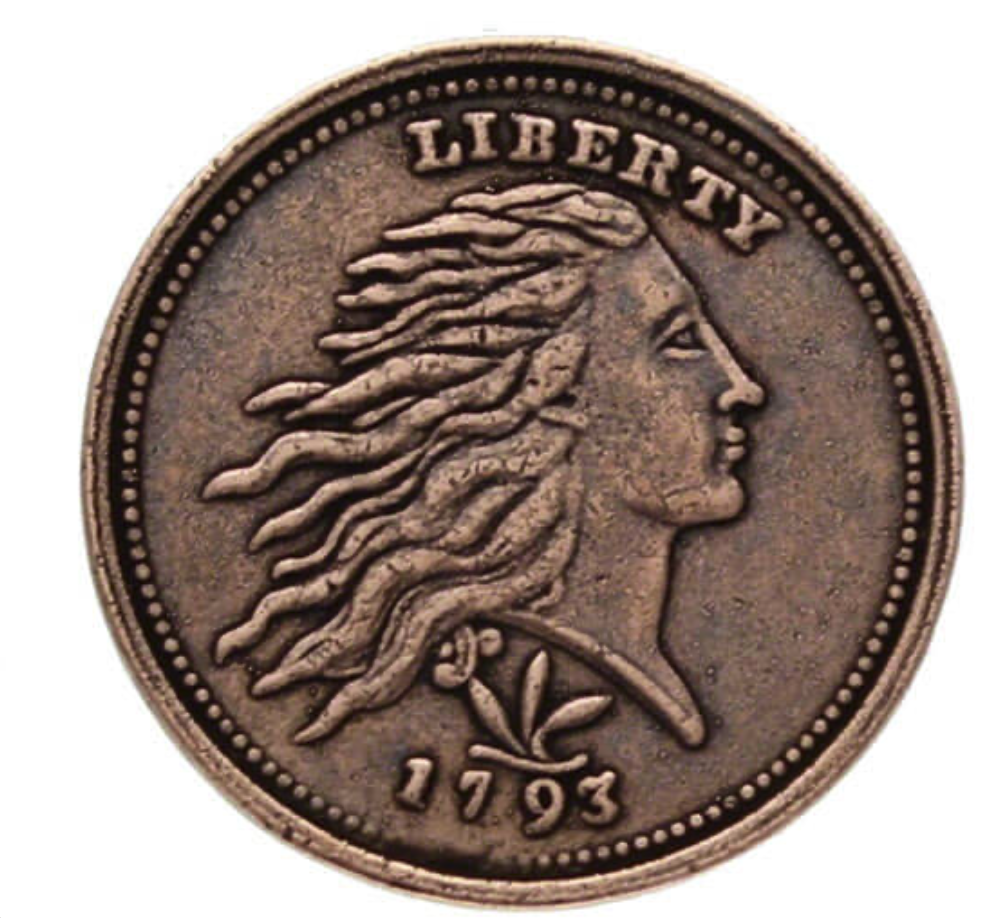
Over the centuries, the penny has seen many makeovers:
- 1857: The large, bulky copper cent was replaced by a smaller version made of copper-nickel alloy. This was also the year the "Flying Eagle" design appeared.
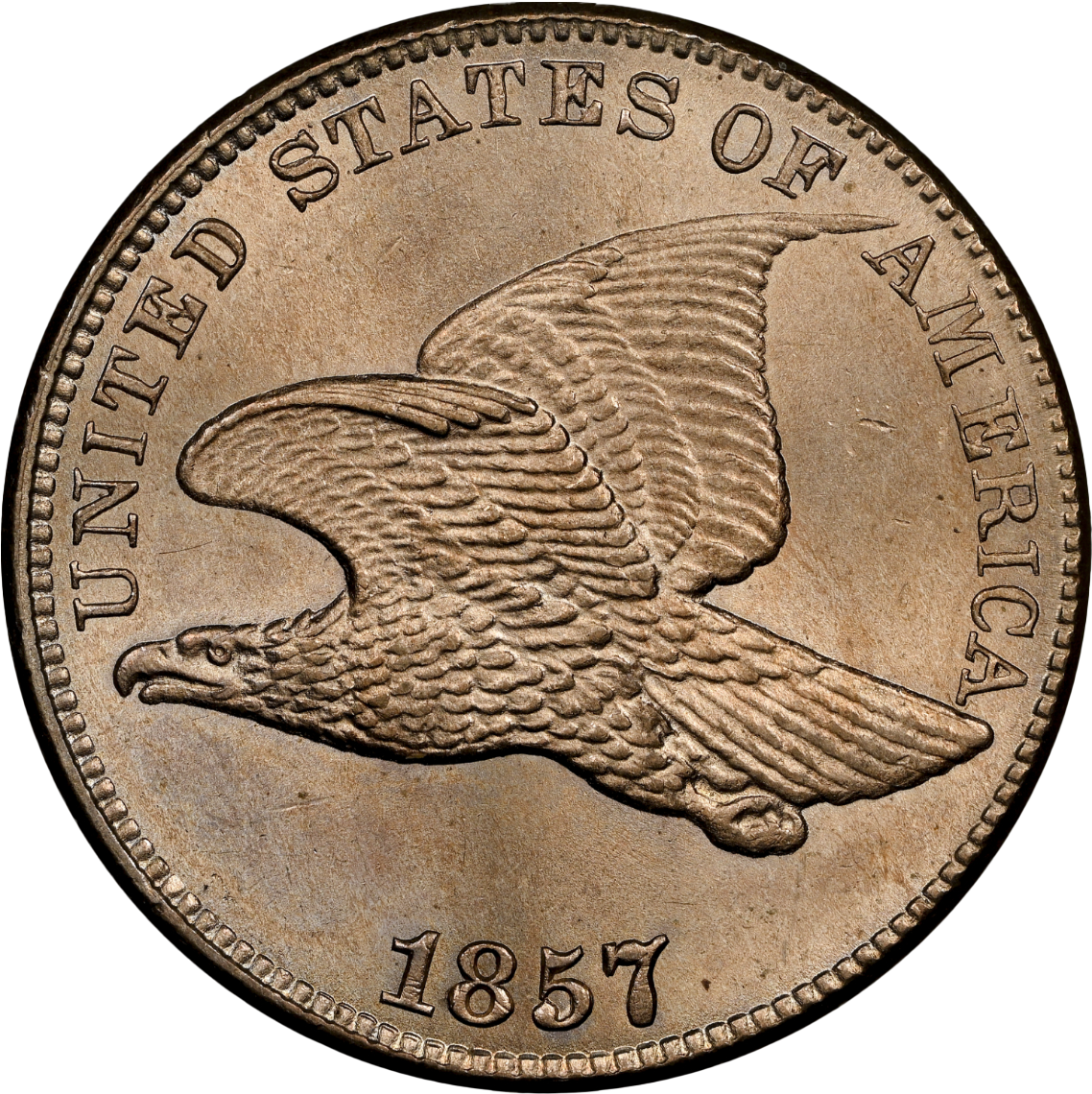
- 1864: The composition changed again to a bronze alloy (copper, tin, and zinc) during the Civil War.

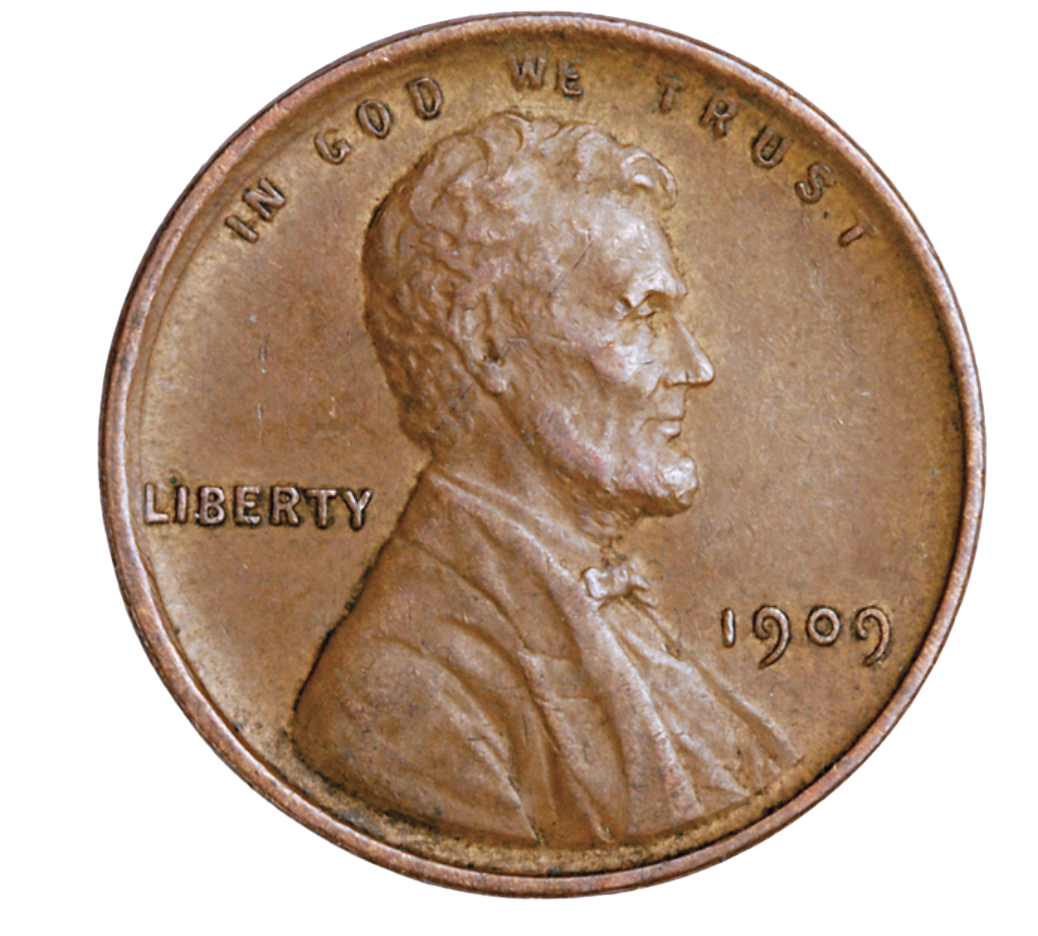
- 1909: To commemorate the 100th anniversary of Abraham Lincoln's birth, his profile was introduced on the coin, making it the first circulating U.S. coin to feature a real person.
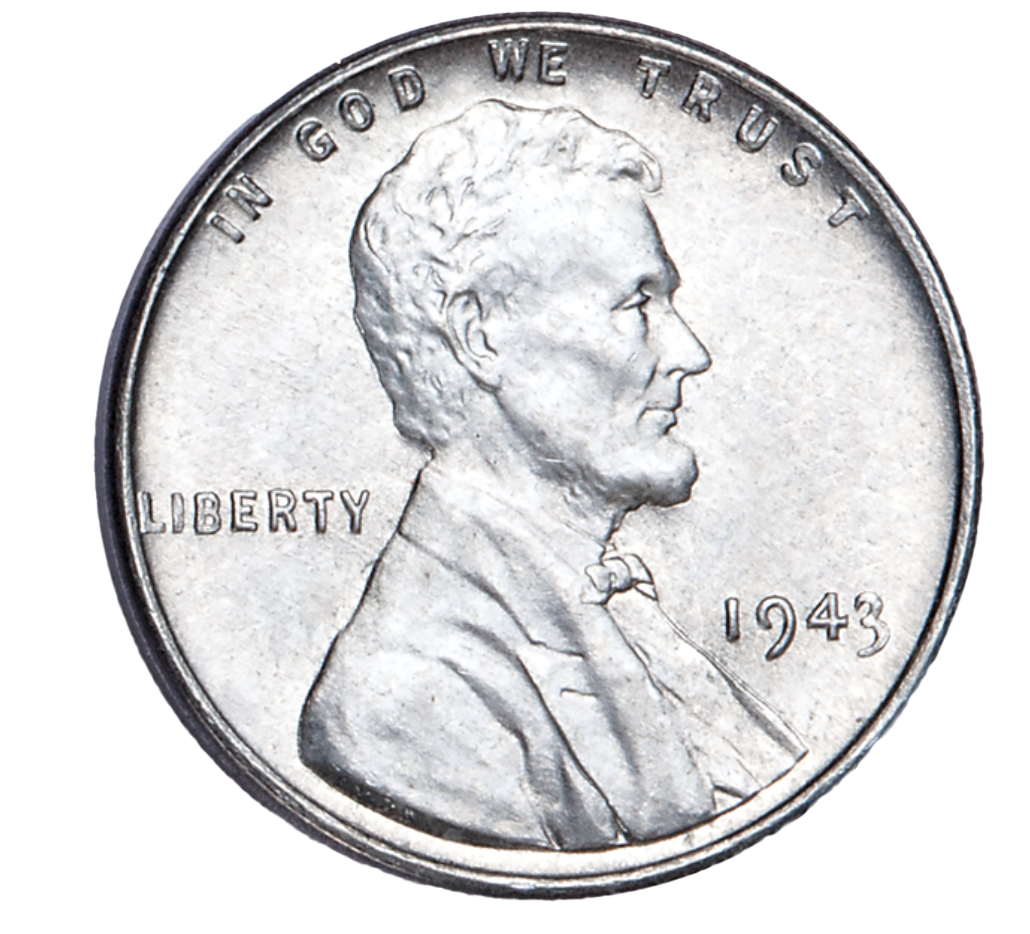
- 1943: In a unique twist, pennies were made of zinc-coated steel for one year to conserve copper for the war effort. These silver-colored "steelies" are now a collector's item.
- 1959: The original "wheat stalks" design on the reverse was replaced by the familiar Lincoln Memorial.
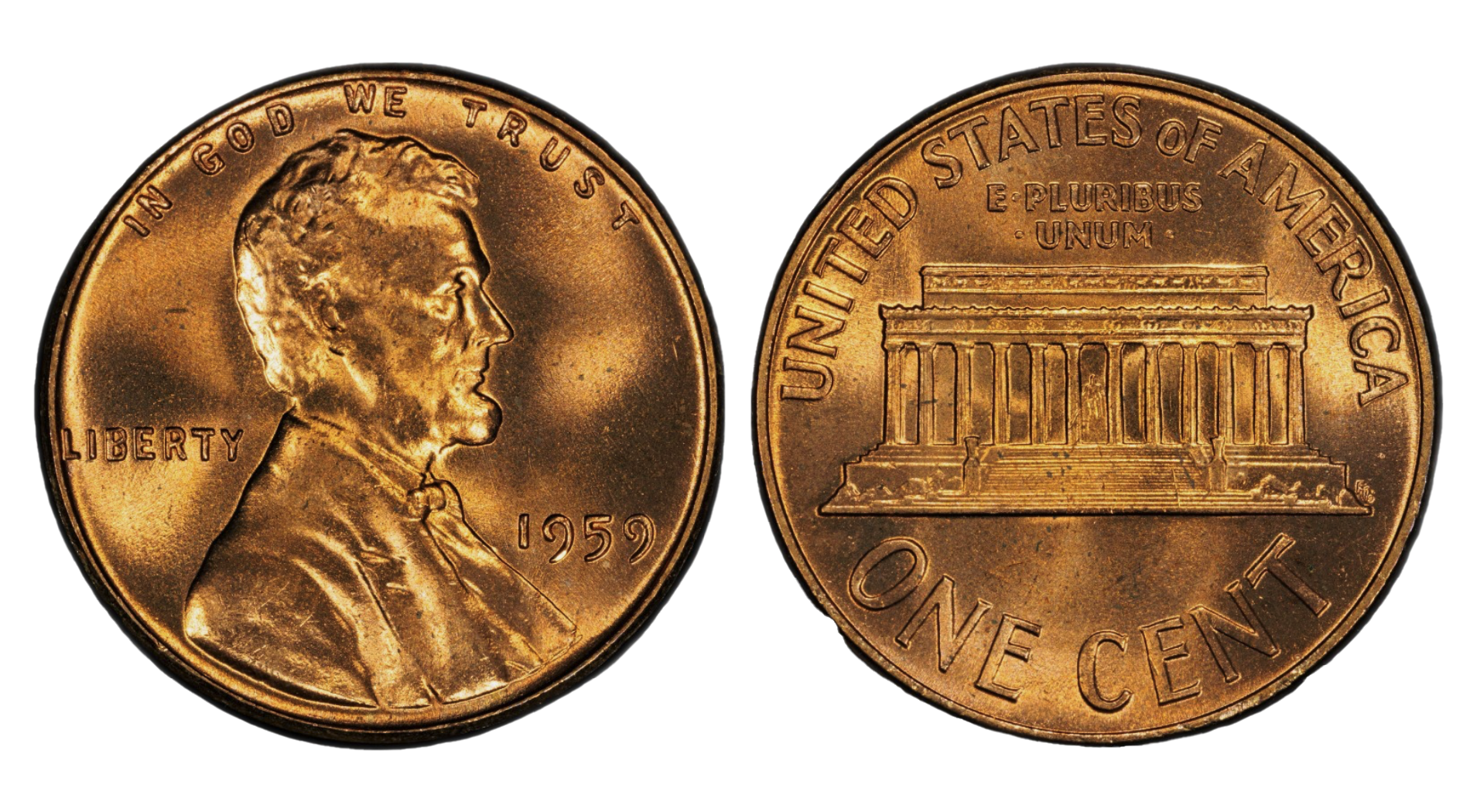
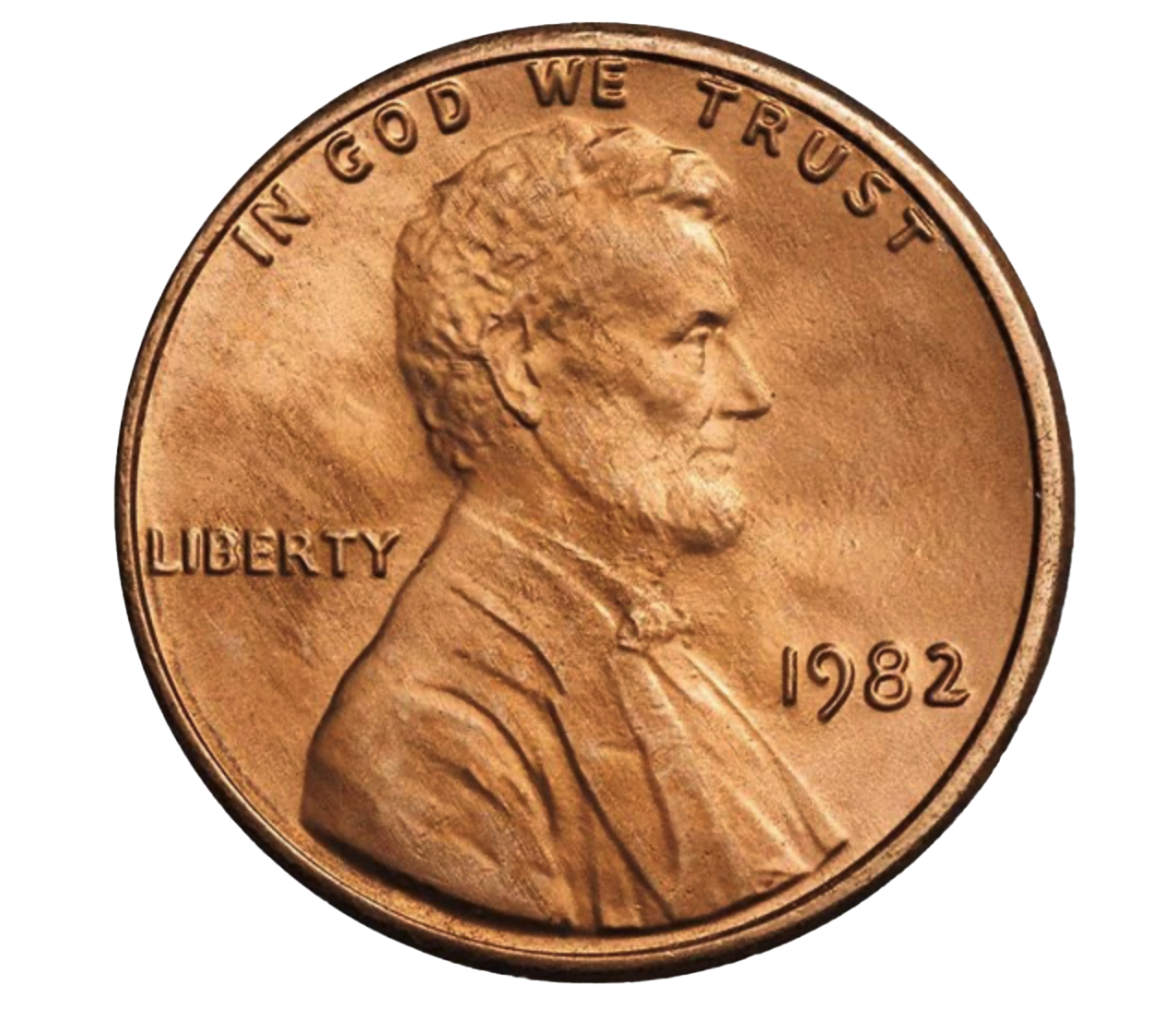
- 1982: As the price of copper rose, the penny's composition was changed to its current form: mostly zinc with a thin copper plating. This means modern pennies are only about 2.5% copper!
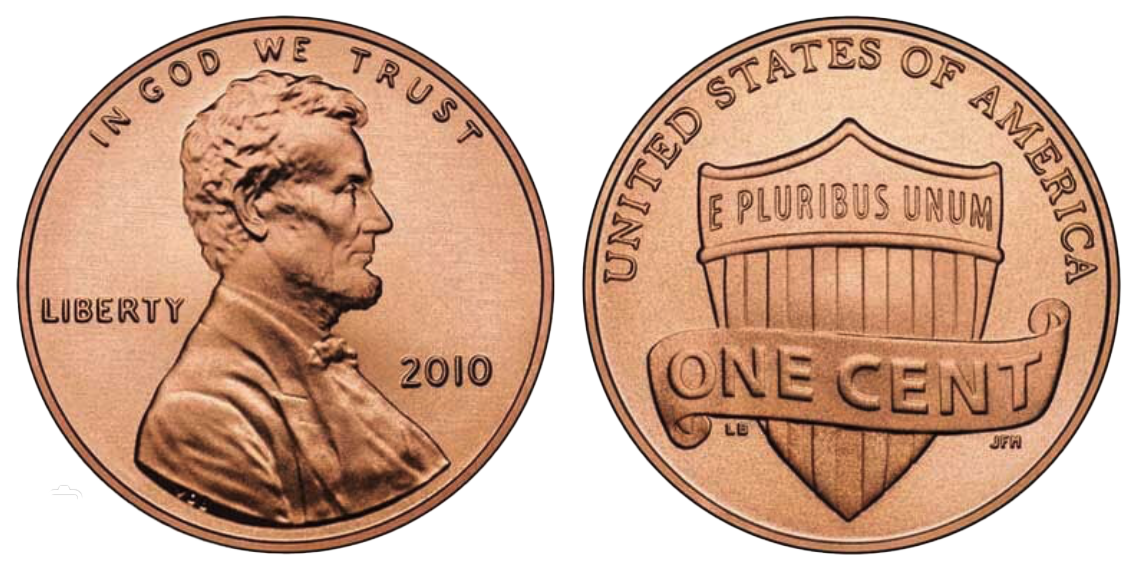
- 2010: The Lincoln Memorial was replaced with the Union Shield design, symbolizing President Lincoln's work to preserve the United States as a single country.
Why is the Penny Being Phased Out?
The decision to retire the penny is not a sudden one; it's a conversation that has been happening for decades. The primary reasons boil down to simple economics and practicality.
- It Costs More to Make Than It's Worth: Since 2023, each penny costs nearly 3 cents to mint and distribute. That might not sound like much, but when you're making billions of them, the losses add up to tens of millions of dollars for taxpayers each year.
- It's Lost Its Purchasing Power: What could you buy with a penny in the 1950s? A piece of candy, a postcard, or a turn at a gumball machine. Today, its value is so minimal that many people don't bother to pick one up off the sidewalk. This decline in purchasing power makes it largely obsolete in daily transactions.
- It's Inefficient: Counting out pennies slows down checkout lines and adds unnecessary weight to our pockets and cash registers. Many businesses have already started rounding transactions to the nearest nickel to streamline the payment process.
As we approach 2026, let's take a moment to appreciate the small but mighty penny. It has been a witness to American history, a symbol of thrift, and the start of many a piggy bank. While its time as a circulating coin may be coming to an end, its legacy will live on in our museums, collector's albums and fond memories. So long, old friend. You've served us well.